How Community Health Workers Support Mental Health Care
A community health worker is often the first health professional a person meets, and sometimes the only one within walking distance. Here is what they can do for mental health, and what they should not be asked to do.
Why community health workers matter
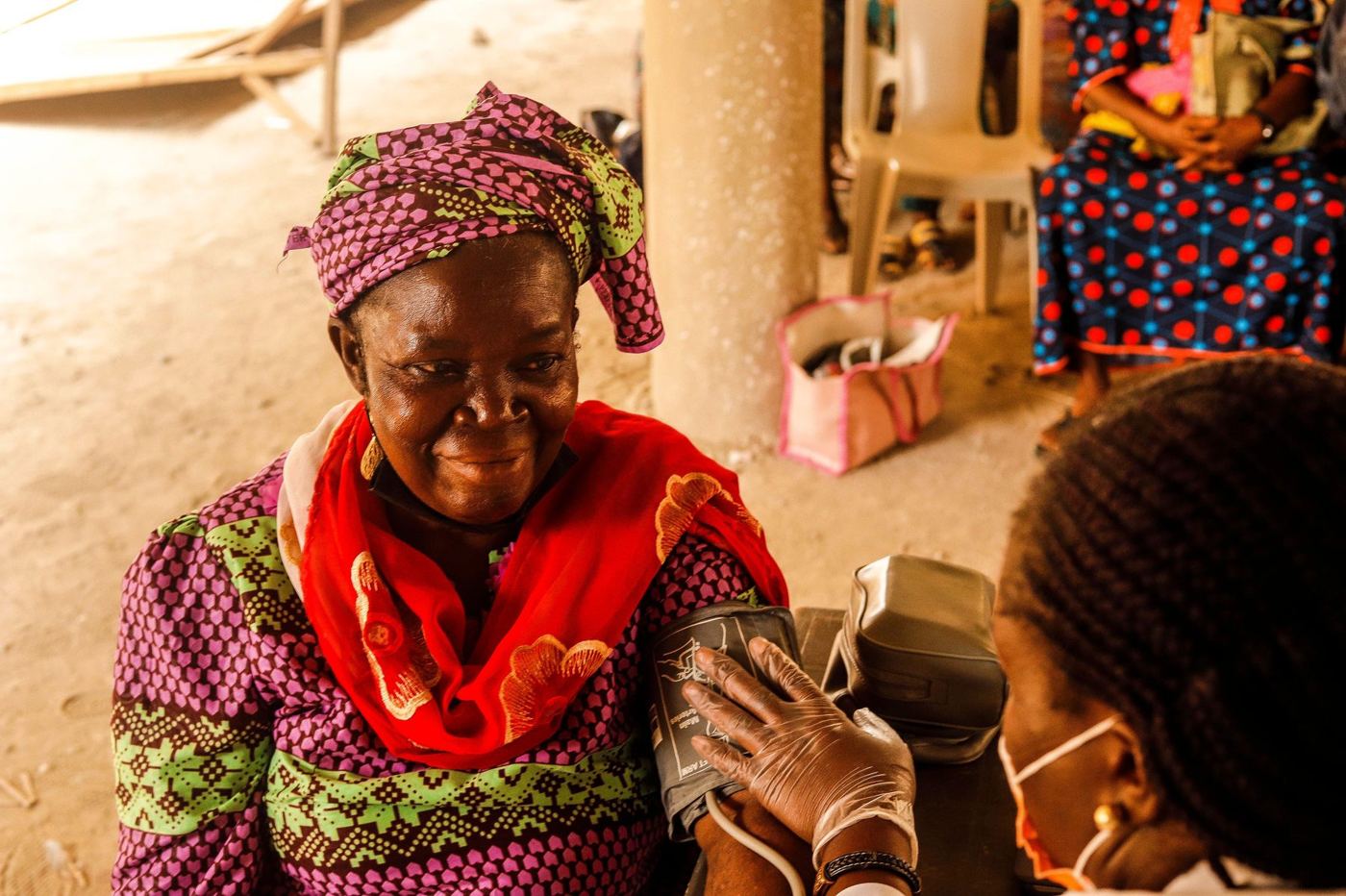
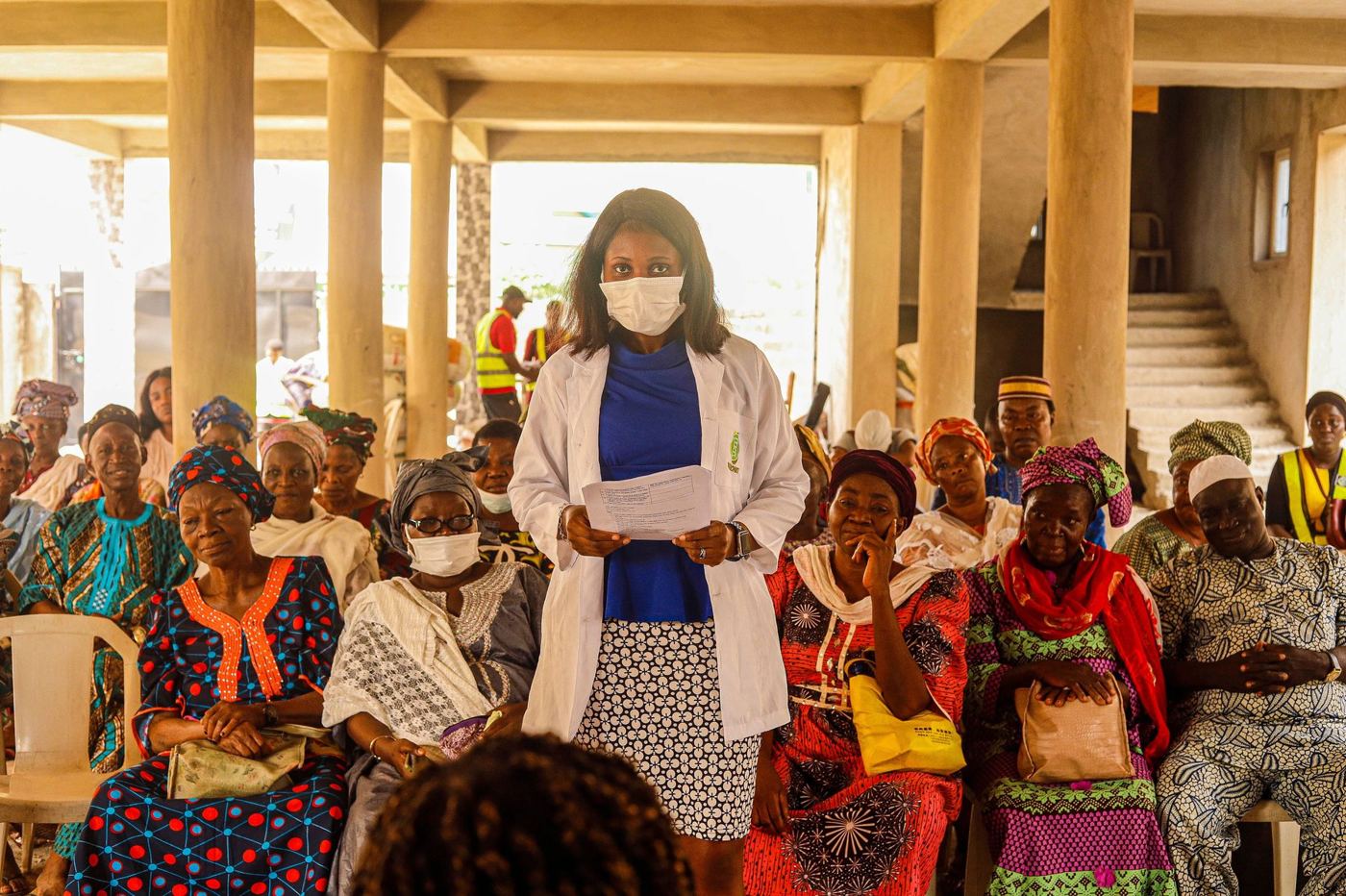
Community health workers (CHWs) live and work in the communities they serve. They speak the local language, know the households, and are trusted in a way outsiders rarely are. In many places, they are the link between a family and the formal health system.
That position is exactly what mental health care needs. People are more likely to talk about low mood, constant worry or sleeplessness with someone they already know and respect than with a stranger in an unfamiliar building.
Screen, support, refer, learn
At TCHCI, our model follows four steps. Each one is deliberately simple, so that it can be taught well and done consistently.
1. Screen
Trained workers screen for depression and anxiety using short, standard questions, always with the person's consent. Screening is not a diagnosis. It is a way of noticing who may need more help.
2. Support
Brief psychosocial support is given close to home by trained and supervised workers. This can include listening without judgement, helping a person understand what they are feeling, problem-solving around daily stress, and encouraging safe, practical coping.
3. Refer
When a person needs more than brief support, the worker connects them to a clinic or specialist through a clear referral pathway. A referral that works has a name, a place and a follow-up. A vague "go and see someone" does not.
4. Learn
Anonymised information shows where stress is rising, so that outreach goes where it is most needed. A person reviews every alert. Technology supports the worker's judgement. It does not replace it. You can read more on our AI screening and surveillance programme.
What community health workers should not do
A good model is clear about its limits:
- They do not diagnose or prescribe.
- They do not handle high-risk situations alone. Anyone at risk of harming themselves or others needs urgent clinical care, and workers are trained to escalate.
- They do not share a person's information without consent, except where safety requires it.
- They are not expected to carry a heavy load without support.
Respecting these limits protects patients, and it protects workers from burnout.
What a screening conversation can look like
The following is an illustrative example, not a real case. A community health worker is visiting a household for a routine child health check. The mother mentions she has not been sleeping and feels tired all the time.
The worker does not jump to conclusions. They ask whether she would be comfortable answering a few short questions about how she has been feeling over the past two weeks, and explain that she can stop at any time. With her consent, they go through the screening questions, listen to her answers, and tell her plainly what the results suggest and what they do not.
Because her answers point to possible depression, the worker offers brief support and explains the next steps. With her agreement, they arrange a visit to the clinic, where a nurse or doctor can assess her properly. The worker follows up a few days later. At no point has anyone labelled her, shared her story with neighbours, or told her to be stronger.
That small, respectful sequence is the heart of the model. It is ordinary work, done carefully, by someone the family already trusts.
Choosing and looking after the workers
A programme is only as strong as the people in it. Good community mental health programmes pay attention to a few things from the start:
- Selection. Workers should be respected locally, good listeners, and willing to learn. They are chosen with communities, not only for them.
- Fair recognition. Asking people to take on emotionally demanding work for little or nothing is neither fair nor sustainable.
- Manageable caseloads. Workers should know what is expected of them and when to stop and ask for help.
- Care for the carers. Listening to people in distress takes a toll. Regular supervision and peer support help workers cope.
Looking after workers is not a luxury. It is how quality is protected over time.
Training, supervision and safeguarding
Training is only the start. What keeps quality high is supervision: regular contact with a clinician who can review cases, answer questions and support the worker emotionally. Teleconsultation makes this practical across distance.
Safeguarding also needs to be built in from day one. That means informed consent, collecting only the data that is needed, protecting privacy, and having clinical oversight of every service. These commitments are part of our public charter.
What the evidence base says
Sharing tasks with trained non-specialist workers is a recognised approach in global mental health. The World Health Organization's mhGAP Intervention Guide was written for exactly these settings, and research groups have been testing its use by non-specialist workers, for example in a cluster randomised trial protocol from India. Context matters, so we plan to measure our own results in Nigerian communities through monitoring, evaluation and learning, rather than assume them.
Frequently asked questions
What is a community health worker?
A community health worker is a trained member of the community who provides basic health services, education and referrals, usually close to where people live.
Can a community health worker diagnose depression?
No. They screen with consent, offer brief support and refer people to clinicians who can assess and diagnose. Diagnosis stays with qualified health professionals.
Is mental health screening confidential?
It should be. Screening needs informed consent, minimal data and privacy protections. Information is only shared beyond the care team where there is consent or a clear safety reason.
How can a partner work with TCHCI on community health workers?
Ministries, clinics, universities and NGOs can partner with us on a pilot or share technical expertise. Email us to start a conversation.