Mental Health Stigma in Nigeria: How to Reduce It
Stigma does not need to be loud to do damage. Often it is a pause, a change of subject, or a whisper. It is one of the main reasons people with depression and anxiety do not ask for help.

What stigma looks like
Stigma is not one thing. It can be fear of being called "mad." It can be a family hiding a relative's struggles to protect its name. It can be a young person told to "just pray more" or "be strong." It can be a workplace where admitting stress feels like admitting weakness.
Some communities explain mental distress through spiritual causes. Those beliefs deserve respect, and they also mean that many people go first to spiritual or traditional healers. A good approach does not mock these paths. It works with them, and makes sure people can also reach health services when they need them.
Why stigma stops people getting care
Stigma works in two ways. People hear it from others, and then they begin to believe it about themselves. The result is silence. A person may suffer for months before telling anyone, and may avoid a clinic entirely because being seen there would "say something" about them.
That silence also hides the true size of the problem, so leaders and funders see less need than there is. Reducing stigma is therefore not a side activity. It is a condition for any mental health service to work.
What helps reduce stigma
Voices of lived experience
People believe people who have been there. When someone speaks honestly about living with depression or anxiety and getting better, it becomes easier for others to speak. Our stigma reduction programme is led by people with lived experience for this reason.
Trusted messengers
Radio, schools and faith leaders reach people where they already listen. A respected pastor, imam or teacher who speaks kindly about mental health can change what a whole congregation or classroom feels is acceptable.
Care that looks ordinary
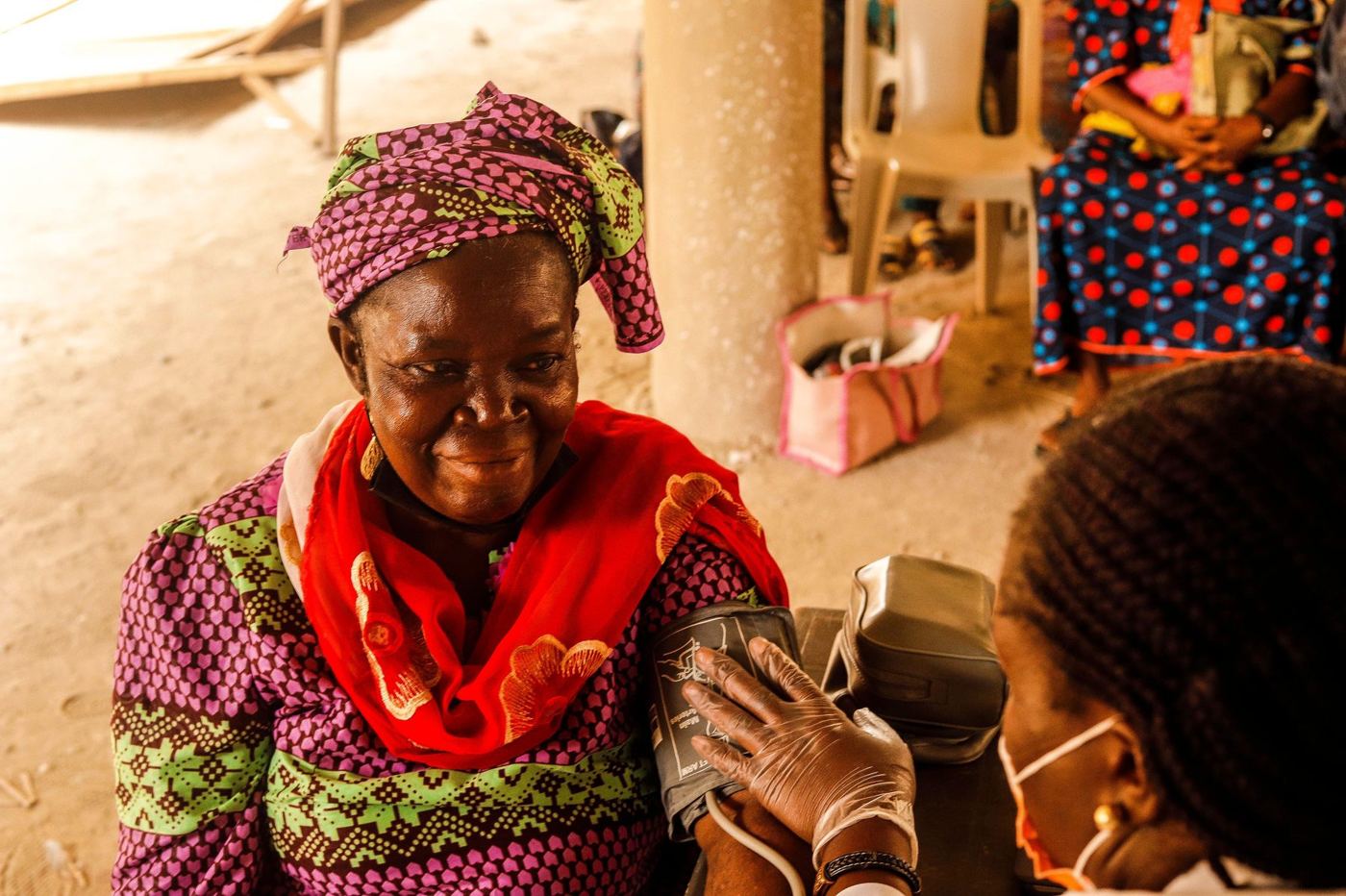
When mental health support is offered in the same clinic, by the same trusted health worker, as blood pressure checks and vaccinations, it stops feeling like something strange. This is one more reason we place care inside primary care. You can read more in our post on why primary care matters for mental health in Nigeria.
Facts, not fear
Clear, simple information helps: depression is common, it is treatable, and asking for help is a sign of sense, not weakness.
Stigma and young people
Young people carry a particular burden. They face pressure about exams, money, relationships and the future, and many hear that talking about it is weakness. Schools are an important place to change that. A teacher who explains in simple terms that sadness and worry are common, that they can be treated, and that asking for help is sensible can change how a whole classroom thinks.
Peers matter just as much. Students who have learned to listen without mocking are often the first person a struggling friend turns to. Teaching that skill early is one of the most useful things a school can do.
Stigma at work
Workplaces often reward people who never admit to struggling. That leaves employees hiding stress until it becomes a crisis. Employers can help by making it clear that mental health is part of staff wellbeing, offering confidential counselling, training managers to respond kindly, and treating requests for support as normal rather than as a threat to someone's career. This is the focus of our workplace wellness and integrity programme.
Myths and facts
- Myth: Mental health problems are rare. Fact: Depression and anxiety are common, in every country and community.
- Myth: Only weak people get depressed. Fact: Anyone can, and strength has nothing to do with it.
- Myth: People with mental health conditions are dangerous. Fact: Most are not, and are far more likely to be hurt than to hurt anyone.
- Myth: Nothing can be done. Fact: Support and treatment help many people recover or live well.
Language that helps, and language that hurts
- Say "a person living with depression," not "a depressed person" or "a mad person."
- Say "died by suicide," not "committed suicide."
- Avoid jokes that use mental illness to mean "silly" or "dangerous."
- Ask "How are you really doing?" and then listen without rushing to fix.
Small word choices tell people whether it is safe to speak.
What you can do this week
- Check in on one person you have not heard from lately, and ask without judgement.
- Share one accurate fact about mental health in a family or community group chat.
- If you lead a school, church, mosque, workplace or association, invite a health worker to speak about mental health.
- If you are struggling, tell one person you trust, and visit a clinic.
TCHCI is not an emergency or crisis service. If you or someone near you is in danger or in crisis, call your local emergency number or go to the nearest clinic.
Frequently asked questions
What is mental health stigma?
Mental health stigma is negative attitudes, labels and discrimination directed at people with mental health conditions, including the shame people may feel about themselves.
Why is stigma a problem in Nigeria?
Stigma makes people hide distress and delay seeking help. When services are already scarce, that silence means many people go without care for a long time.
How can I support a friend who is struggling?
Listen without judging, avoid blaming or giving quick fixes, and gently encourage them to visit a clinic. If you believe they are in danger, stay with them and get urgent help.