Mental Health Care in Nigeria: Why Primary Care Matters
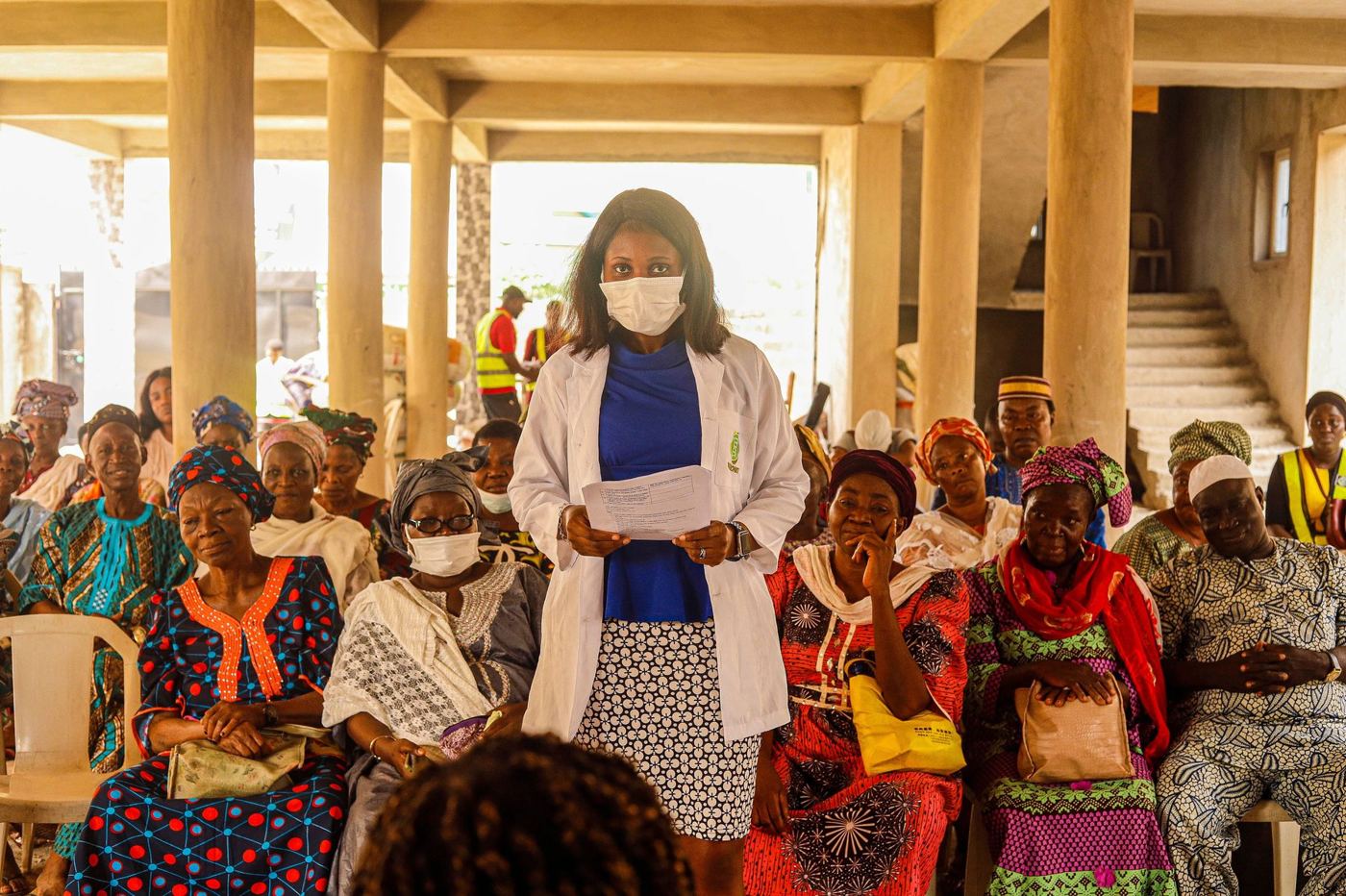
Most people in Nigeria will never see a psychiatrist. Almost everyone, though, will walk into a primary health centre at some point. That is where mental health care has to meet them.
The gap between need and care
Depression and anxiety are common everywhere. In Nigeria, the people trained to treat them are few. Estimates reported in the Nigerian press have put the number of psychiatrists in the hundreds for a population of well over 200 million (see BusinessDay's reporting). Specialist services are also concentrated in a handful of cities, far from most villages and many neighbourhoods.
The result is a treatment gap. Coverage around World Mental Health Day has repeatedly described a situation where most people who need care do not get it (The Guardian Nigeria). People wait, cope alone, or turn to whatever help is nearby. Sometimes that help is kind. Sometimes it is harmful. Often it is nothing at all.
Why primary care is the right door
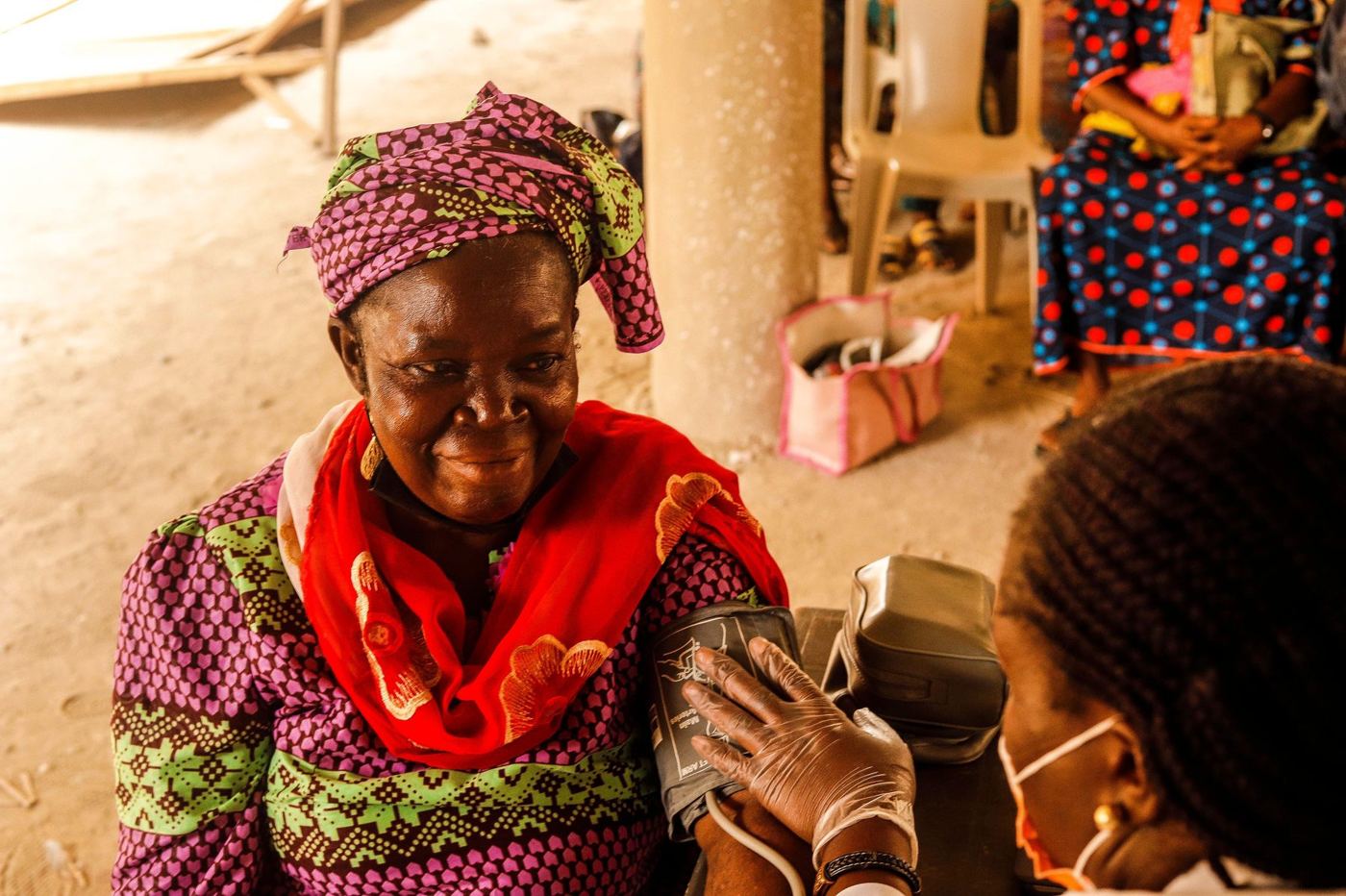
A primary health centre is already trusted. People go there for malaria, for antenatal care, for blood pressure checks, for their children's vaccines. Nobody has to explain why they are there. That matters, because stigma makes many people unwilling to walk into a place labelled "mental health."
Primary care also has reach. There are far more clinics and community health workers than there will ever be specialists in the near future. If even a part of that network can recognise and support common mental health conditions, care moves from a few cities into everyday life.
The World Health Organization has built this idea into its mhGAP Intervention Guide, a tool designed to help non-specialist health workers assess and manage priority mental health conditions. The principle is simple: use specialists for the hard cases, and equip everyone else to handle the common ones well.
What integration looks like in practice
Integration is not a poster on a clinic wall. It is a set of working parts:
- Training. Community health workers and clinic staff learn to recognise depression and anxiety, ask the right questions, and respond with respect.
- Screening with consent. A short, validated screening questionnaire is offered, not forced. People can say no.
- Brief support. Basic psychosocial support is given close to home by supervised workers.
- Clear referral. When someone needs a doctor, psychiatrist or psychologist, there is a named pathway, not a vague suggestion.
- Supervision and specialist advice. Teleconsultation lets a specialist guide the team without the patient travelling for hours.
- Medicines and follow-up. Services are planned alongside the clinic's real stock, staffing and workload.
Each part fails if the others are missing. Training without referral leaves workers stuck. Referral without supervision leaves risk unmanaged. That is why integration has to be designed as a system, not an event.
What the law changes, and what it does not
Nigeria's National Mental Health Act was signed into law in January 2023, giving the country a modern legal framework for mental health care. A law is a foundation. It does not train a nurse, stock a clinic or pay a salary. Implementation, at state and local level, is where the real work sits, and it is where community-level organisations can help.
The barriers to expect, and how to plan for them
Integrating mental health into primary care is the right direction, but it is not easy. Honest planning names the obstacles early:
- Workload. Clinic staff are already stretched. A new task added without removing another one will not last. Screening has to be short and fit into the patient's visit.
- Referral gaps. If the nearest specialist is hours away, a referral can be a dead end. Teleconsultation and clear escalation steps help, and so does knowing in advance who can take a case.
- Medicines and follow-up. Where treatment includes medicines, supply and follow-up visits must be planned with the clinic, not assumed.
- Funding. Training is a one-off cost. Supervision, supplies and data are ongoing costs. Programmes that fund only the first part tend to fade.
- Stigma inside the system. Health workers come from the same communities as everyone else, and may share the same fears. Training has to address attitudes as well as skills.
None of these is a reason to wait. They are reasons to start with a clear pilot, learn quickly, and share what works.
How to tell whether it is working
Good intentions are not results. A serious programme decides, before it starts, what it will measure and how. For integrated mental health care, sensible questions include:
- How many people were offered screening, and how many accepted?
- Of those who needed more help, how many were successfully referred and reached care?
- Did people improve, and how do they describe their experience?
- Are health workers coping, and are they staying in the role?
- What does it cost per person reached, and can the system afford it?
This is why monitoring, evaluation and learning (MEL) sits at the centre of our own plan. We would rather report modest, honest numbers than large, unproven claims.
How TCHCI is approaching this
At The Community Health Charter Initiative (TCHCI), primary care integration is the first of our three lead programmes. We train community health workers and clinic staff to screen, support and refer people with depression and anxiety, with specialist advice through teleconsultation. We work from Abuja and design for Nigeria and the wider continent. You can read how it works on our How it works section and see all of our programmes.
We also believe in being held to account. Our charter sets out how we handle governance, finances, data, AI and safeguarding, because people should be able to trust the group asking for their trust.
Mental health belongs in every clinic.
Frequently asked questions
Can primary health workers really treat depression?
They cannot do everything a specialist does, and they should not try. With training and supervision, they can recognise common mental health conditions, offer brief support, and refer people who need more. That alone closes a large part of the gap.
Does mental health care in Nigeria cost a lot?
Cost depends on the service. Integrating care into existing clinics is a way to keep costs lower than building separate services, because it uses people and places that already exist.
Where can I get help right now in Nigeria?
Visit your nearest clinic or hospital and say how you have been feeling. If you or someone near you is in danger or in crisis, call your local emergency number or go to the nearest clinic straight away. TCHCI is not an emergency or crisis service.